Are You Drinking Enough Water? Signs Your Body Needs More

Water is essential to nearly every function in the human body—from regulating temperature and delivering nutrients to supporting digestion and cognitive function. Yet many people go about their day slightly dehydrated without realizing it. While the general rule of eight glasses a day is a helpful starting point, hydration needs vary based on activity, diet, and environment. Knowing the signs of dehydration can help you stay ahead of health issues and feel your best every day.
Dry Skin and Chapped Lips
Your skin is the body’s largest organ, and it relies heavily on proper hydration. When you’re not drinking enough water, your skin may appear dull, feel tight, or become prone to flakiness. Chapped lips are another common indicator, especially in dry or cold environments. Keeping your skin moisturized starts from the inside out.
Persistent Fatigue and Brain Fog

One of the earliest signs that your body needs more water is feeling unusually tired or mentally foggy. Dehydration reduces the flow of oxygen to your brain, which can leave you feeling sluggish and unfocused. If you often hit an afternoon slump or struggle to concentrate, a glass of water might be more effective than another cup of coffee.
Dark Urine and Infrequent Bathroom Trips
Urine color is a simple but accurate hydration checkpoint. Ideally, your urine should be light yellow—anything darker suggests dehydration. Likewise, if you’re going hours without needing to use the restroom, it could mean your fluid intake is too low. The body conserves water when it’s in short supply, which affects kidney function over time.
Headaches and Dizziness

Even mild dehydration can trigger headaches. The brain temporarily contracts when fluid levels drop, pulling away from the skull and causing pain. You might also experience dizziness or lightheadedness, particularly when standing up quickly. Drinking water can provide quick relief and prevent these symptoms from recurring.
Increased Hunger or Cravings
Sometimes what feels like hunger is thirst. The body’s signals for the two can be very similar. If you find yourself snacking frequently or craving salty or sweet foods, try drinking a glass of water first. You may find that your cravings fade, and your body is simply asking for hydration.
Staying hydrated is one of the simplest and most effective ways to support your health. Your body offers clear signals when it needs more water—you just have to listen. Whether it’s dry skin, fatigue, or a dull headache, these symptoms may be your body’s way of asking for a refill. Make water a regular part of your routine, and you’ll likely notice improvements in energy, focus, and overall well-being.



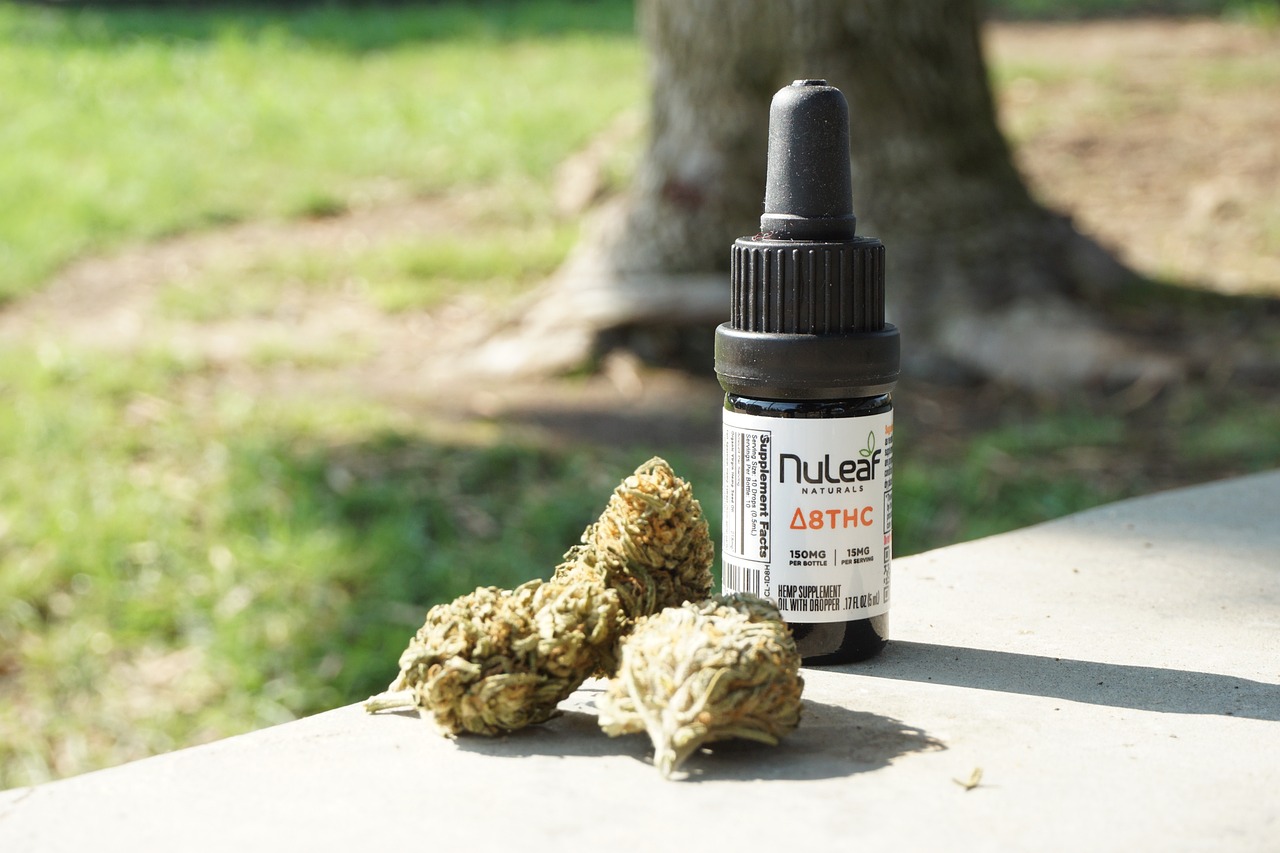
 Don’t get started with a high dose. Instead, be sure to start with a low dosage or concentration and gradually increase it over time until you find the optimal level for your needs. Doing this allows your body to adjust and observe how it responds to the cannabinoids. Each person’s endocannabinoid system is unique, so what works for someone else may not necessarily work for you. It’s all about finding the right balance that suits your individual preferences and goals. Going slow also allows you to closely monitor any potential side effects or changes in how you feel. This approach helps minimize the risk of overwhelming experiences or adverse reactions, ensuring a more comfortable journey as you explore this new addition to your wellness routine.
 This effect is about the synergistic relationship between different compounds found in cannabis, such as CBD and THC. Understanding this concept is crucial for anyone incorporating cannabis into their wellness routine. One important aspect of the Entourage Effect to consider is that certain cannabinoids have been found to enhance or diminish the effects of others. For example, CBD has been shown to potentially counteract some of the psychoactive impacts of THC. This information can be particularly valuable if you’re looking for relief from specific symptoms without experiencing a strong high.
 Although most
  There have been recent studies that suggest that some prescribed medications may be addictive. This is a cause for concern, as addiction can lead to harmful consequences, such as overdose and death. In addition, addiction can lead to other problems, such as financial instability and relationship problems. Medications with opioids and Benzodiazepines are the most likely to be addictive. If you are prescribed a drug that is addictive, it is crucial to be aware of the potential risks and to take steps to avoid becoming addicted.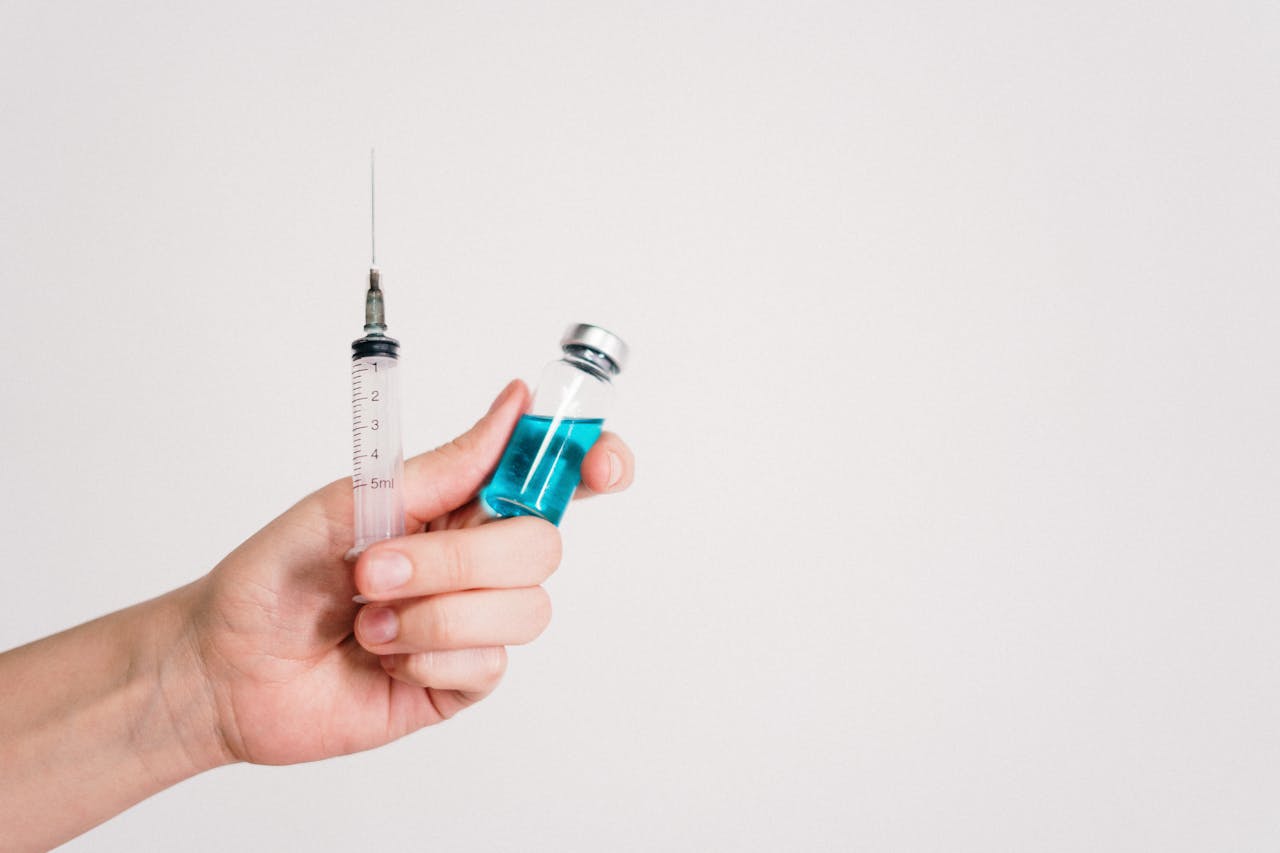
 Most people like instant solutions, which is evident by the number of people using testosterone-boosting supplements. The market is currently filled with many brands selling testosterone boosting supplements, and you should consider taking one. It is essential to note that not every supplement that promises to increase your testosterone levels will deliver its promises.

 Protein plays a large part in keeping a high metabolism. This is due to the thermic effect of food, or TEF for short; it is essentially a term for how different foods that we eat will require different energies to digest, absorb, and absorb and metabolize the nutrients. Since protein has TEF-increasing qualities compared to carbohydrates and fats, our bodies can benefit from consuming protein daily as it will increase our metabolism by 10 to 30 percent. And since protein is leaner, our bodies won’t require too much effort and energy to process it!