
Integrating Virtual Reality Into Physical Therapy Programs
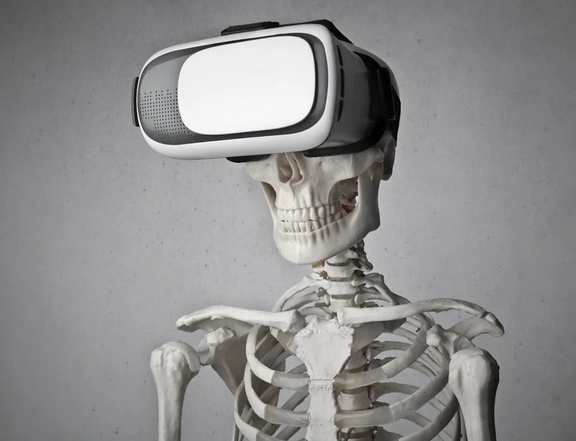
Virtual reality (VR) is a technology that immerses users in simulated, interactive environments. In physical therapy, VR has emerged as a tool to enhance patient rehabilitation by providing controlled and engaging experiences that encourage movement and exercise. Unlike traditional therapy, which often relies on repetitive, monotonous exercises, VR creates scenarios that motivate patients to participate in their recovery actively. By simulating real-world activities or gamified exercises, VR can target specific muscle groups, improve motor skills, and provide immediate feedback. Understanding the role of VR in rehabilitation highlights its potential to make therapy more effective, engaging, and adaptable to individual patient needs.
Enhancing Patient Engagement and Motivation
One of the most significant benefits of VR in physical therapy is its ability to increase patient engagement. Rehabilitation exercises can be repetitive and discouraging, leading to decreased adherence over time. VR offers interactive, immersive experiences that make therapy more enjoyable and goal-oriented. Patients can participate in virtual games, obstacle courses, or simulated tasks that encourage continuous movement while tracking progress. This gamified approach fosters motivation, encourages persistence, and helps patients remain committed to their recovery programs. Enhanced engagement also allows therapists to observe patient performance and adjust exercises in real time to maximize results.
Providing Safe and Controlled Environments
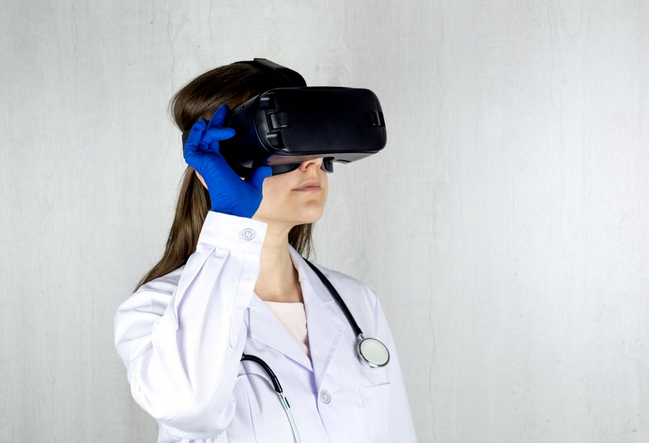
VR allows patients to perform exercises in safe, controlled, and adaptable virtual settings. This is particularly valuable for individuals recovering from injuries, surgeries, or neurological conditions, where incorrect movements could cause harm. Virtual simulations can replicate challenging real-world scenarios without exposing patients to physical risks, allowing them to build confidence and skill gradually. Therapists can customize VR environments to the patient’s ability level, adjusting difficulty and intensity while monitoring performance. This controlled environment ensures patients receive targeted, effective therapy while minimizing the risk of setbacks.
Improving Motor Skills and Cognitive Coordination
Virtual reality in physical therapy supports the development of both motor skills and cognitive coordination. Interactive exercises encourage precise movements, balance, and spatial awareness, which are critical for recovering mobility and functional independence. VR also stimulates cognitive processes such as attention, planning, and reaction time, creating a dual focus on physical and mental rehabilitation. By engaging multiple senses simultaneously, VR promotes neuroplasticity, the brain’s ability to adapt and form new connections. This approach is particularly effective in treating patients with stroke, traumatic injuries, or neurological disorders, enhancing the overall effectiveness of rehabilitation programs.
Data Tracking and Personalized Feedback
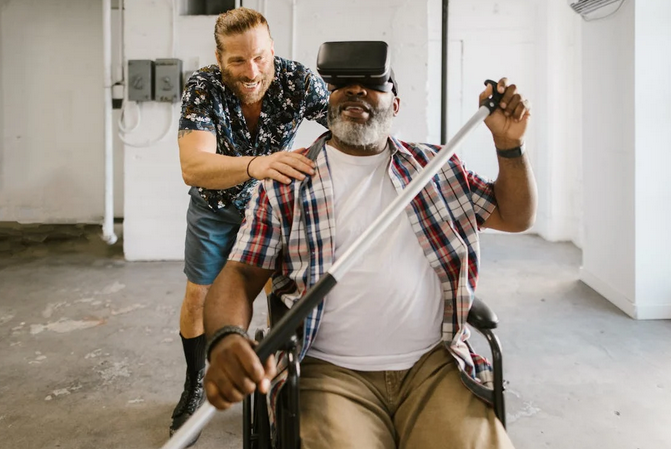
VR systems can collect detailed data on patient performance, including range of motion, speed, accuracy, and adherence to exercise protocols. This information allows therapists to monitor progress, adjust treatment plans, and provide personalized feedback to optimize recovery. Real-time data also enables patients to visualize their improvement, reinforcing motivation and accountability. By combining immersive experiences with data-driven insights, VR provides a comprehensive approach to rehabilitation that supports both clinical outcomes and patient engagement.
Integrating virtual reality into physical therapy programs offers numerous benefits, including increased engagement, safe practice environments, improved motor and cognitive skills, and personalized feedback. By transforming traditional rehabilitation exercises into interactive and immersive experiences, VR encourages consistent participation and enhances recovery outcomes. The technology also provides therapists with valuable data to tailor treatment plans and monitor patient progress effectively. As VR continues to advance, its role in physical therapy is likely to expand, offering innovative, adaptable solutions that support both physical and cognitive rehabilitation across diverse patient populations.